
Iron & Pregnancy: Is it really that important?
The short answer? YES
The long answer? YESSSSSSS
The point? Iron is extremely important in pregnancy both for mom & baby.
Iron is essential for the production of hemoglobin, which helps to deliver oxygen from the lungs to the tissues of the body, and for the synthesis of iron enzymes, which are required to utilize oxygen for the production of cellular energy. During pregnancy, more iron is needed to supply the growing baby and the placenta, as well as to facilitate the increase in blood volume that happens during pregnancy. (Fun fact: your blood supply increases about 50% in pregnancy).
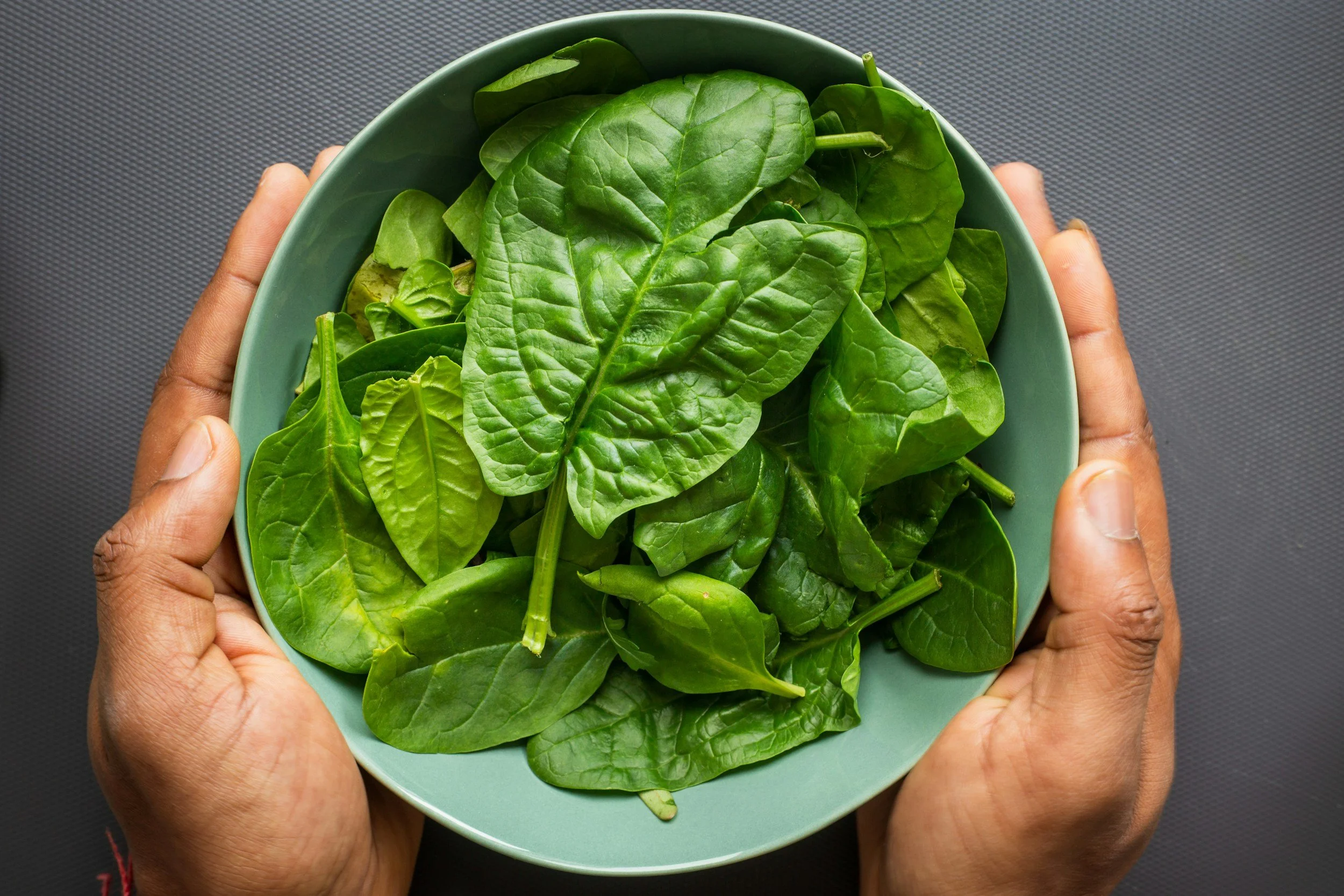
It is important to have your iron levels checked by your healthcare provider before pregnancy (if possible), but definitely throughout pregnancy to ensure that you not only have adequate, but optimal levels. Sometimes supplementation may be necessary but in many cases, you can optimize your nutrition to ensure that you are meeting your requirements for iron.
There are two forms of iron that are available in your diet:
heme (present in animal products)
non-heme (found in plant based foods such as fruits, vegetables and legumes)
Heme iron is more bioavailable, meaning, our bodies are better able to absorb this kind of iron as compared to non-heme iron. As a result, we need more non-heme iron than heme iron to meet our needs.
Heme Iron Food Sources:
beef
bison
chicken
clams
duck
mussels
liver
oysters
turkey, dark meat
Non-Heme Iron Food Sources
asparagus
beans (navy, lima, black, kidney)
cereals, fortified
chickpeas
chocolate, dark
cocoa powder
edamame
kale
lentils
molasses
potato
pumpkin seeds
teff
tempeh
tofu
sesame seeds/ tahini (sesame seed paste)
spinach, cooked
swiss chard
Vegetarians need not worry though because there is a cool trick to increase the absorption of non-heme iron: Vitamin C! By combining a non-heme iron source with Vitamin C, our bodies are able to convert plant-based iron into a more readily absorbable form.
What does this look like?
Adding lemon to your kale salad, adding bell peppers to your tofu stir fry, adding fresh berries to your oatmeal or cereal, or having orange segments with a handful of trail mix as a snack.
How to tell if you’re deficient in iron
First and foremost, if you’re preparing for pregnancy or are currently pregnant, it is important to have your levels checked through a blood test. This can be requisitioned by your primary healthcare provider.
Signs and symptoms of low iron can include (but are not limited to):
fatigue/extreme fatigue
cold limbs
brittle nails
hair loss
pale skin
shortness of breath
weakness
dizziness or lightheadedness
fast or irregular heartbeat
numbness in hands and feet
If you are experiencing any of these symptoms, talk to your healthcare provider as you may need to supplement iron orally to increase your levels.
Overall, iron is an essential nutrient to your health and the health of your baby. Based on your food preferences, determine where you can increase your iron intake by incorporating iron-rich foods into your day.
References:
Nutrition During Pregnancy: Part I: Weight Gain, Part II: Nutrient Supplements Committee on Nutritional Status
https://www.ncbi.nlm.nih.gov/books/NBK235228/pdf/Bookshelf_NBK235228.pdf
Alive Magazine, May 2026
